Looking Back: What I Wish I Had Known
- abigail0269
- Mar 14, 2025
- 3 min read

As parents we make countless decisions for our children, always hoping we’re choosing what’s best. But what happens when we later realize we’ve underestimated them—not because of who they are, but because of what the world told us to believe? This past Friday, I had a moment that forced me to reflect on just that.
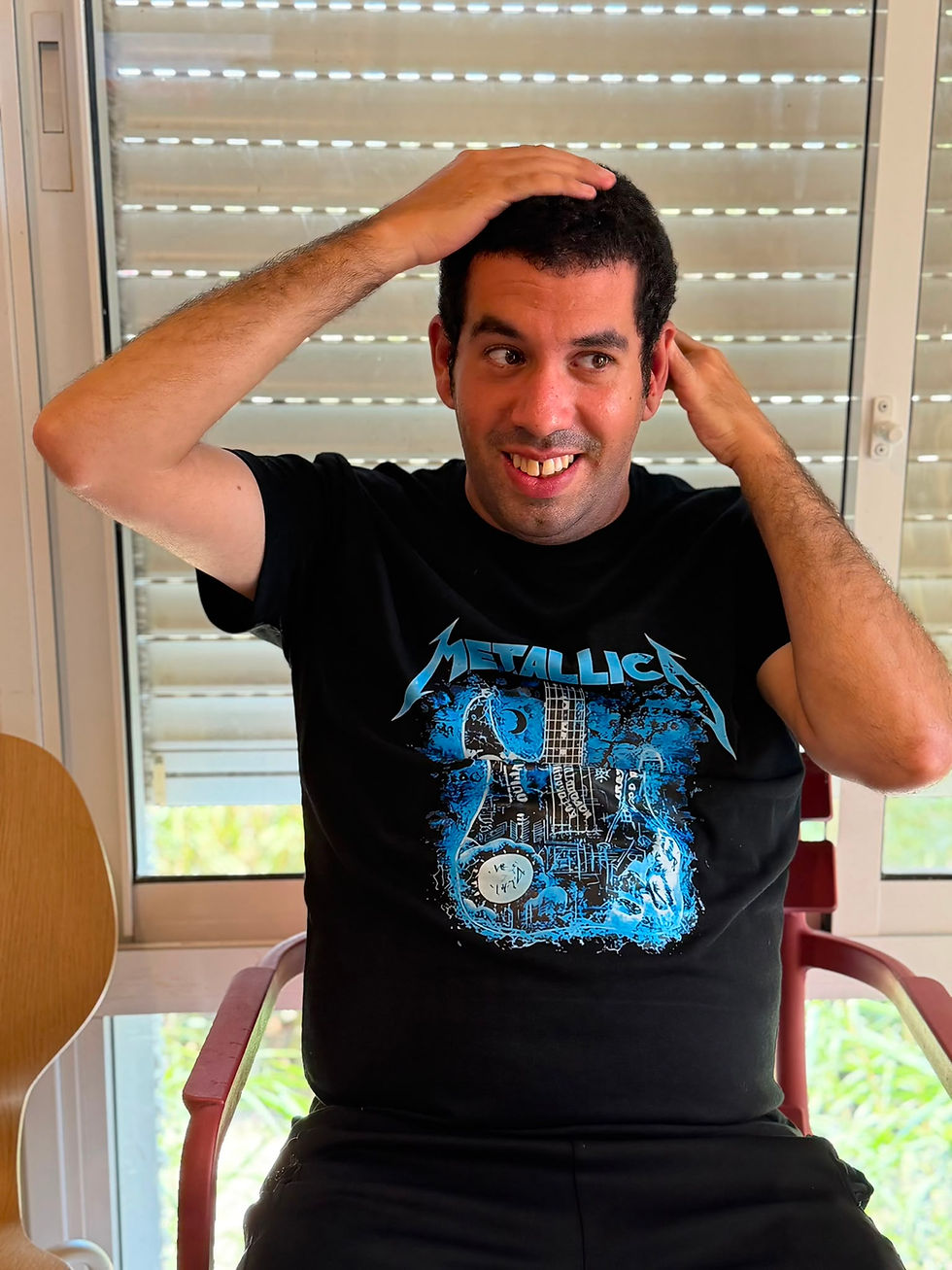
On Friday, Asaf took part in a sports event for individuals with special needs. He came home glowing with happiness, and it was clear he had a great time. A year ago, I never would have signed him up. I wouldn’t have believed he was capable, and more than that, I wouldn’t have believed others would see him as capable either. Watching his joy, I found myself wondering—how could I have expected others to believe in him when I hadn’t truly believed in him myself?
That thought led me down a slippery slope of regret. What if I had believed in him more? How might his life have unfolded differently? What opportunities did he miss out on because I underestimated him? But then, I stopped myself. I reminded myself that I did the best I could with the knowledge and tools I had at the time. Now, I know better. Now, I can respond differently.
But regret is a tricky thing. It’s easy to look back with the wisdom of today and wish we had done things differently. The truth is, I wasn’t just fighting my own doubts—I was up against a system, a world that told me over and over again that Asaf wasn’t capable; that his future was limited; that he would never truly learn. I internalized those messages because they came from professionals, educators, and so-called experts. But they were wrong. And I wish I had known that sooner.
When I think about Asaf’s past, I feel sadness, and yes, a little anger. Not an anger I wish to hold on to—because anger can be toxic—but an anger that recognizes the injustice of it all. My son was denied a proper education because no one believed he was capable of understanding. He was given materials suitable for a preschooler, while the main focus of his day was on teaching him basic independence skills. No one ever imagined that he could learn, think, and express himself. No one presumed competence. He was underestimated and, without realizing it, I accepted their version of reality for too long.
One of the things I wish I could tell myself is this: You are doing enough. Don’t feel guilty—you can’t do everything, and you can’t fix him. It’s not about fixing him—it’s about accepting him for who he is, and seeing past the disability. The real challenge, and the real gift, is seeing the person he truly is beyond the labels and limitations others place on him.
So, what would I tell my younger self, the mother who was just starting this journey with her non-verbal child?
Presume competence. Believe in your child, even when no one else does. Assume he understands everything, even if he can’t say so.
Trust your intuition. It’s usually right. If something feels off, if a system or program doesn’t feel like the right fit, don’t silence that voice inside you.
Don’t be so hard on yourself. Speak to yourself with the same kindness and compassion you would offer a best friend.
Don’t blame yourself. The fact that Asaf developed in your body does not make you responsible for his disability.
Your love is enough. Even in moments of doubt and exhaustion, your love is what carries him forward.
Advocate fiercely, even when you doubt yourself. Experts may have knowledge, but you have something more powerful—you know your child.
He is hearing everything, understanding everything. Talk to him. Include him. Assume he is absorbing the world around him.
It’s never too late. Growth is always possible, for both of you. The past doesn’t define the future.
Celebrate the small wins—they are actually big wins. Every step forward matters, and sometimes those steps are bigger than they seem.
I can’t change the past. But I can change how I move forward. And I will move forward with the belief that Asaf is capable, that he deserves the opportunities he was once denied, and that his voice—finally heard—will shape a different future.
To any other parent walking this path: Believe in your child. They are capable of so much more than the world may tell you. And so are you.



Nice